
Kuala Lumpur, March 31 (Xinhua) — The cultural bond between China and Malaysia in intangible cultural heritage and folk customs
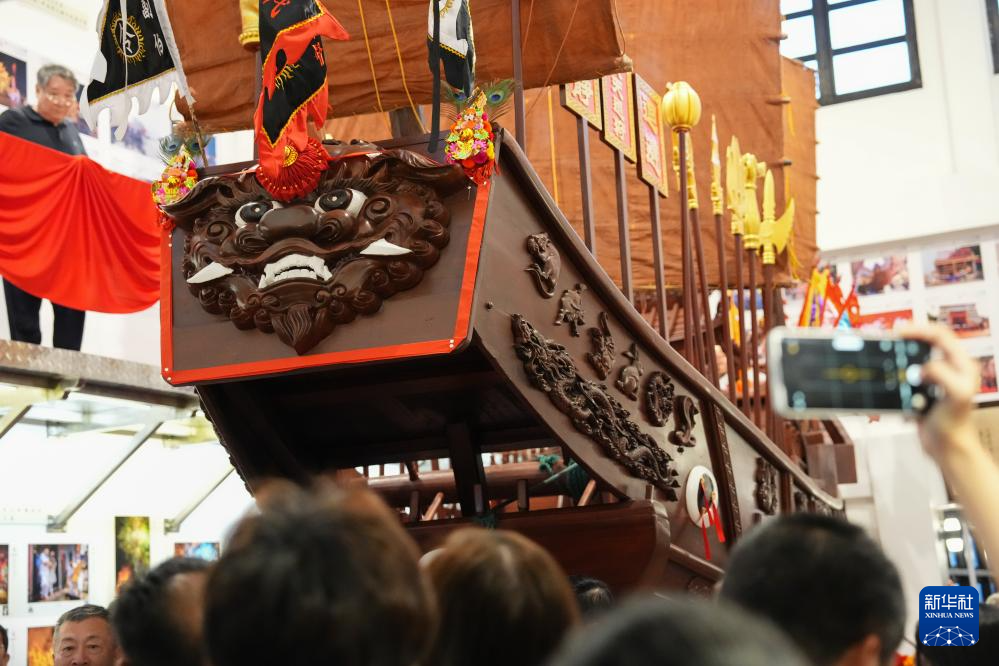 On March 29th, at the Malaysia China Royal Ship Museum in Malacca, people visited the replica of the “Royal Ship” from the Malacca Royal Ship Ceremony in 1919. Photo by Xinhua News Agency reporter Chen Zeguo
Malacca in March, the sea breeze is humid. Walking into the Malaysia China Royal Ship Museum located in Malacca, Malaysia, a replica of the 1919 Malacca Royal Ship Ceremony stands in front of you. The ship is tall, intricately patterned, adorned with numerous flags, and exudes a lively atmosphere.
The folk activity of sending off the royal ship to pray for peace and disaster relief is widely spread in the southern Fujian region of China and the coastal areas of Malacca. It not only carries the folk memories of the local people for hundreds of years, but also connects a cultural bond that spans mountains and seas.
This private museum was officially opened on March 29th at the Yongquan Hall in Malacca. Through physical objects, images, and graphic materials, the system presents the development and joint application process of the royal ship in China and Malaysia, and displays the royal ship model and precious historical materials gifted by the Chinese “Brother Temple”.
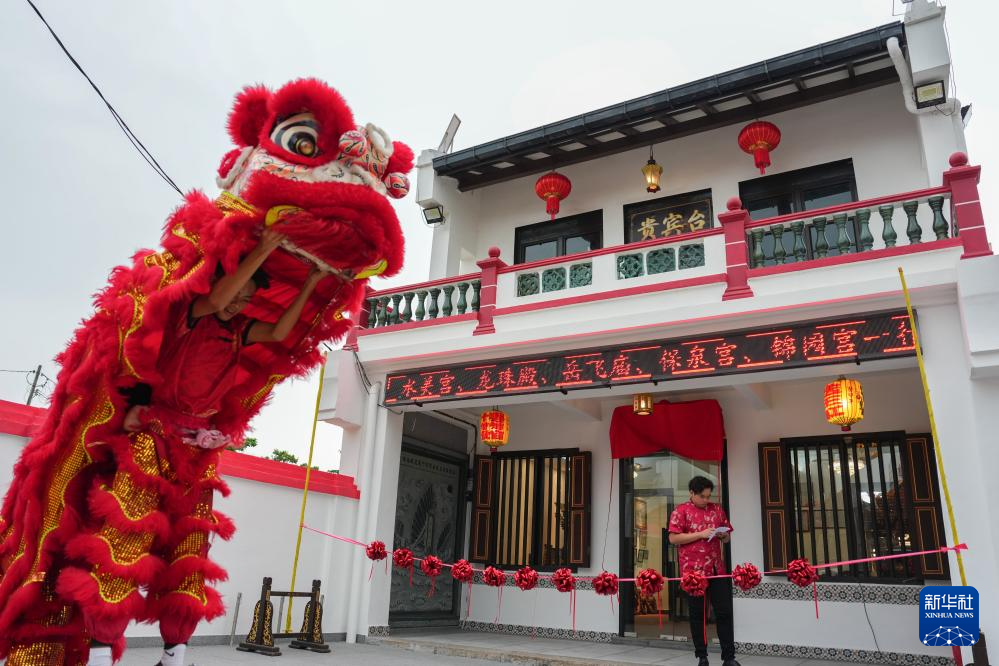 This is the Malaysia China Royal Mail Ship Museum captured on March 29th in Malacca, Malaysia. Photo by Xinhua News Agency reporter Chen Zeguo
We hope that the museum will elaborate on the historical significance of the Malacca Royal Ship custom, and become a cultural exhibition space, an important bridge connecting people and the ocean, history and modernity, and the friendship between Malaysia and China, “said Zeng Yansheng, cultural and historical consultant of Yongquan Hall.
Since its formation in the 15th to 17th centuries, with the development of “going to Southeast Asia” and maritime trade, the royal ship gradually spread from the southern Fujian region of China to Southeast Asia. It conveys people’s historical memory of their ancestors’ journey towards the ocean, reflecting the concept of harmonious coexistence between humans and nature and respect for life. In 2020, China and Malaysia jointly applied for the project “Sending off the Royal Ship – Ceremonies and Practices Related to Sustainable Connection between Humans and the Ocean”, which was successfully included in the UNESCO Representative List of the Intangible Cultural Heritage of Humanity and became an important cultural bond between the two countries.
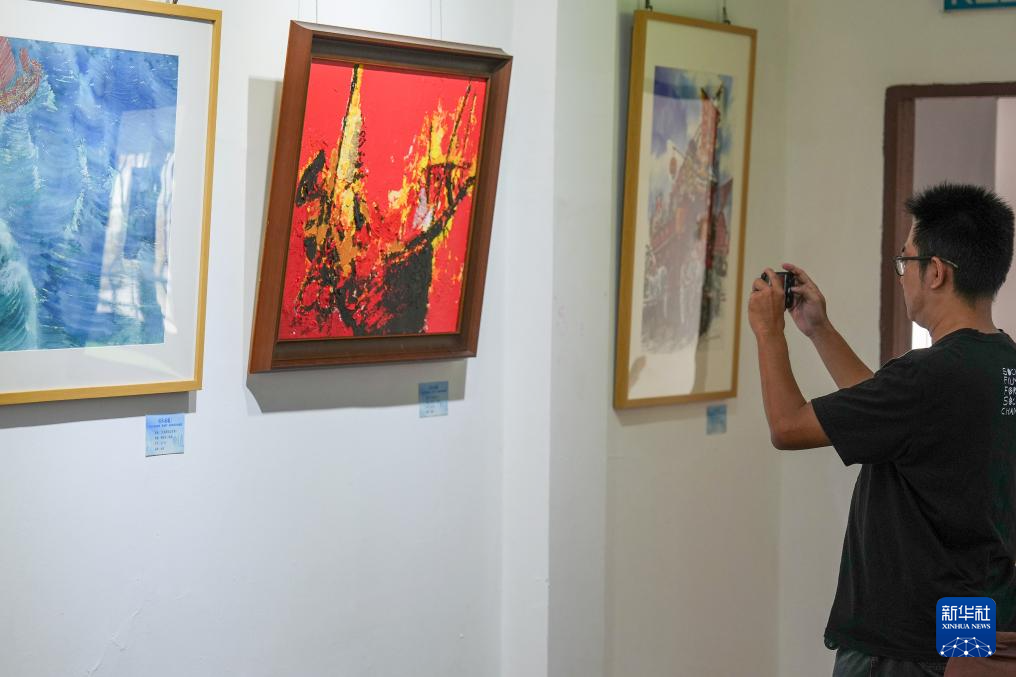 On March 28th, a man took a photo while visiting the China Malaysia Royal Ship themed art exhibition in Malacca, Malaysia. Photo by Xinhua News Agency reporter Chen Zeguo
Based on this shared cultural connection, the 2026 Malacca Minnan Culture Week, jointly organized by Xiamen Minnan Culture Research Association, Xiamen Artists Association, and Malacca Historical City District (Jichang Street) Working Committee, will be held in Malacca City.
The custom of sending the royal ship is a nostalgic memory for the people of southern Fujian, a shared cultural memory between the peoples of Malaysia and China, and a vivid example of the spread and integration of Chinese culture in countries along the Maritime Silk Road, “said Yan Tianlu, Chairman of the Working Committee of the Malacca Historic District (Jichang Street).
During the Cultural Week, a Chinese painting titled “Intangible Cultural Heritage of Humanity – Farewell to the Royal Ship” was exhibited at the China Malaysia Farewell to the Royal Ship themed art exhibition, vividly depicting the scene of the farewell ceremony. This trip from Xiamen to Malacca is not only an artistic journey, but also a cultural dialogue, “said Zhang Baodong, a retired teacher from the School of Fine Arts and Design at Jimei University who created this painting.
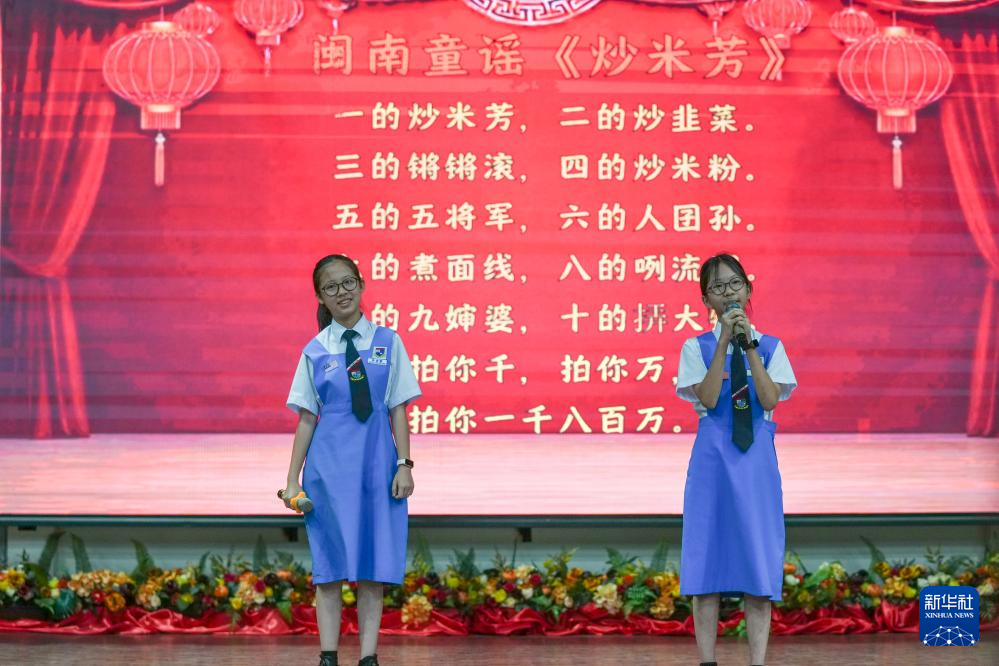 On March 30th, at Malacca Chinese High School in Malaysia, students performed and recited Minnan nursery rhymes. Photo by Xinhua News Agency reporter Chen Zeguo
On March 30th, the Malacca Minnan Culture Transfer Center was officially unveiled at the Malacca Chinese High School. Yan Tianlu, who serves as the chairman of the school board, said, “The key to cultural inheritance lies with the younger generation. What we learn is not only local music, opera, and folk customs, but also the spiritual core of ‘daring to fight will win’
Li Yijing, a local student with ancestral roots in Fujian, said, “I can feel that learning Minnan dialect is not just about learning the language, but also about the culture that is closely connected to me. I really hope to speak Minnan dialect well and pass on the culture here
As night falls, the lights on Chicken Farm Street begin to light up, and the flow of people is overwhelming. In the hustle and bustle of this century old street, a culture that transcends mountains and seas is integrating into current life in a completely new way.